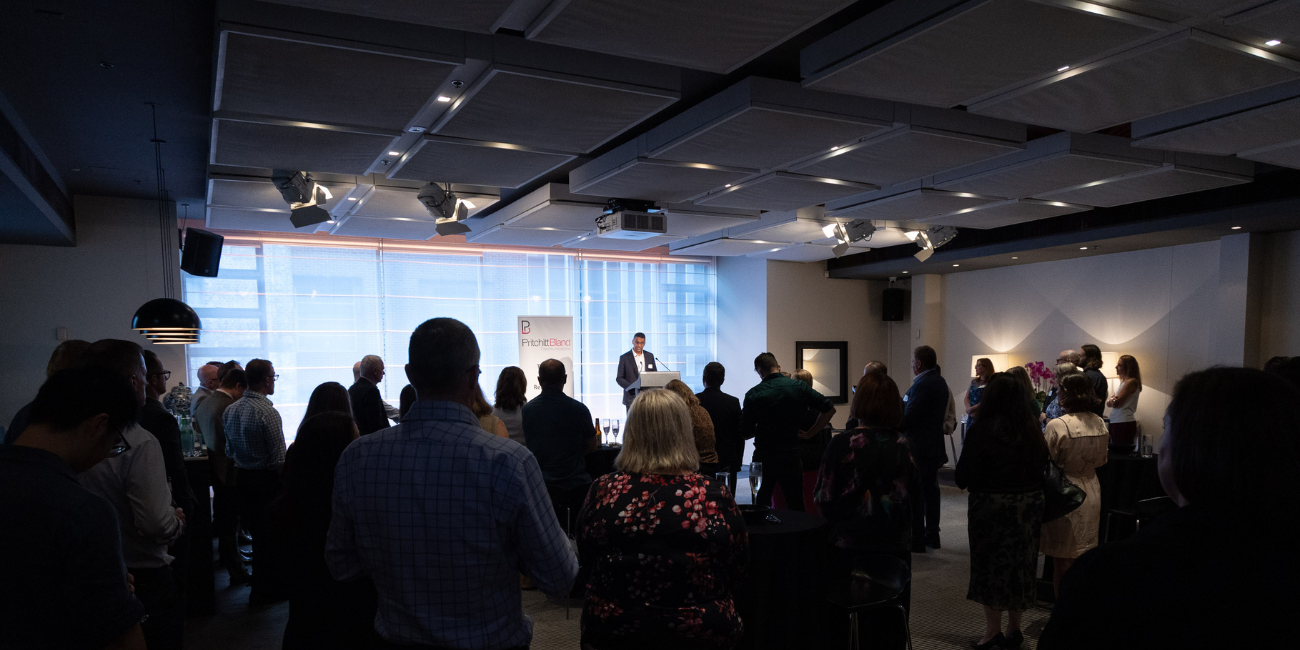
Hosting events is a very cost-effective part of the public relations toolkit. While there is now a whole sector dedicated to events management, not all functions need to be full of razzamatazz and cost a bomb. Major events, like celebrations and product launches, may need glitter, but going over the top can be detrimental in many circumstances. Events need to be interesting and professionally run to be effective.
What event and why?
There are many different types of events – conferences, launches, lunches, dinners, cocktail parties, seminars, celebrations, the list goes on. But it is essential to work out the aims of the activity to help decide the best approach and contribute to success.
The two take-outs that all guests should have are increased knowledge (especially if there are speakers) and enjoyment. You don’t want your guests to be bored, which can easily happen if there isn’t a disciplined format. A ten-minute presentation should be exactly that and not a self-indulgent 30-minute ramble.
Planning
As with all activities, planning and managing are critical to success. Ensuring invitation lists are up-to-date is important, as is ensuring any guest of honour is committed to attending, the venue is appropriate and booked, and there’s a timeline for promotion, social media activity, invitations, follow-up, and arrangements such as photography, format, venue, menus, printing and the like.
Programs of events should not only focus on big occasions like conferences and presentations - but smaller events can also be effective in relationship building and improving understanding. In either case, planning is important.
Small events
We like regular small events, such as round-table discussions, very much. They are useful in embedding relations with clients and provide a vehicle for stimulating conversation that improves understanding. With roundtables, getting the mix and seating arrangements right can play a big role. The trick is to make sure everyone has the opportunity to participate.
Hosting
Hosts are not there simply to have fun or catch up with one or two old friends. Ideally a host should spend time with every guest. This might not be practical, but it is their responsibility to “work a room” and spend time with as many people as possible. Hosts are not always there to take a starring role but to facilitate, which includes making sure the event runs smoothly, and that all guests are involved. Looking after the guest of honour and other VIPs is also important (but not to the exclusion of others).
Attendance isn’t everything
Sure, it’s nice to get a packed turnout, but sometimes the day chosen turns out to be the wrong one for many. That doesn’t make an event a failure.
Over the years we’ve received many “apologies” that showed us that attendance is not the only important statistic. It’s those you contact, their response, as well as the opportunity for follow-up, that also shows an event is working for you. Follow-up emails to those unable to attend, as well as attendees, can lead to closer relations.
Success
A successful event can be measured in many ways, hopefully through positive feedback showing guests enjoyed themselves, were stimulated, and learned something.
We organise a number of media lunches each year and have learned that a good lunch involves good food and good discussion. Other criteria might include media coverage (not necessarily straight away), improved relationships, and the audience gaining a better understanding of a company’s activities and an appreciation of their expertise that results in them being quoted as experts.




%20.png)


.jpeg)


